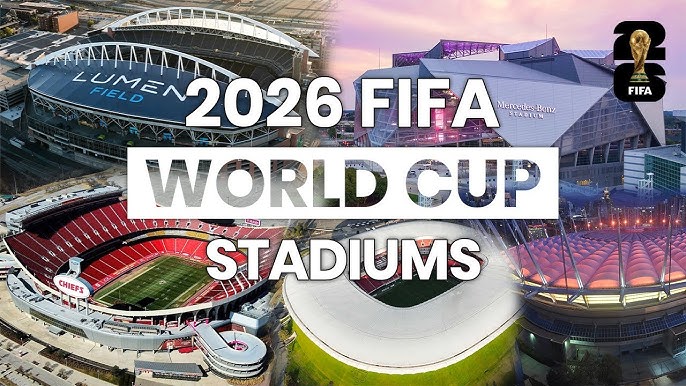
The selection of best stadiums in USA, Canada and Mexico for the FIFA World Cup 2026 reflects FIFA’s operational criteria, including seating capacity, infrastructure readiness, and history of hosting international events. Among the 16 approved venues, a defined group of stadiums has been assigned high-profile fixtures such as the opening match, semi-finals, and final. These stadiums meet advanced technical standards related to pitch quality, broadcast capability, and spectator management.
Introduction
The best stadiums in USA, Canada and Mexico form the operational core of the FIFA World Cup 2026. FIFA finalised venue rankings based on infrastructure benchmarks, accessibility, and capacity thresholds. The tournament will run from June 11, 2026 to July 19, 2026, with 104 matches distributed across 16 stadiums.
The United States hosts the majority of top-tier venues, including the final and semi-finals. Mexico contributes historically significant stadiums with prior World Cup experience, while Canada provides modern venues adapted for international competition. Each selected stadium supports FIFA’s requirements for player facilities, media operations, and spectator services.
The classification of “best stadiums” in this context refers to venues assigned critical fixtures and those meeting the highest operational standards within the tournament framework.
Best Stadiums in USA for FIFA World Cup 2026
High-Capacity Venues Hosting Knockout Matches
The United States includes several stadiums designated for advanced-stage matches due to their scale and infrastructure.
MetLife Stadium, New York New Jersey
MetLife Stadium will host the final match of the FIFA World Cup 2026. The venue offers a seating capacity exceeding 80,000 and supports large-scale international broadcasts. Its location within a major metropolitan region ensures transport connectivity and accommodation capacity.
AT and T Stadium, Dallas
AT and T Stadium is scheduled to host multiple matches, including a semi-final. The stadium features a retractable roof and one of the largest seating capacities among all venues. It regularly hosts major sporting events and international fixtures.
Mercedes Benz Stadium, Atlanta
Mercedes Benz Stadium will host a semi-final match. The venue includes advanced pitch systems and a retractable roof structure, ensuring consistent playing conditions. It has prior experience hosting international football matches.
SoFi Stadium, Los Angeles
SoFi Stadium is among the most technologically advanced venues in the tournament. It supports high-definition broadcast infrastructure and large spectator capacity. The stadium will host key group-stage and knockout fixtures.
These venues collectively define the primary operational hubs for the latter stages of the tournament.
Best Stadiums in Mexico for FIFA World Cup 2026
Historic Stadiums with Global Tournament Legacy
Mexico’s stadiums combine historical significance with modern upgrades to meet FIFA standards.
Estadio Azteca, Mexico City
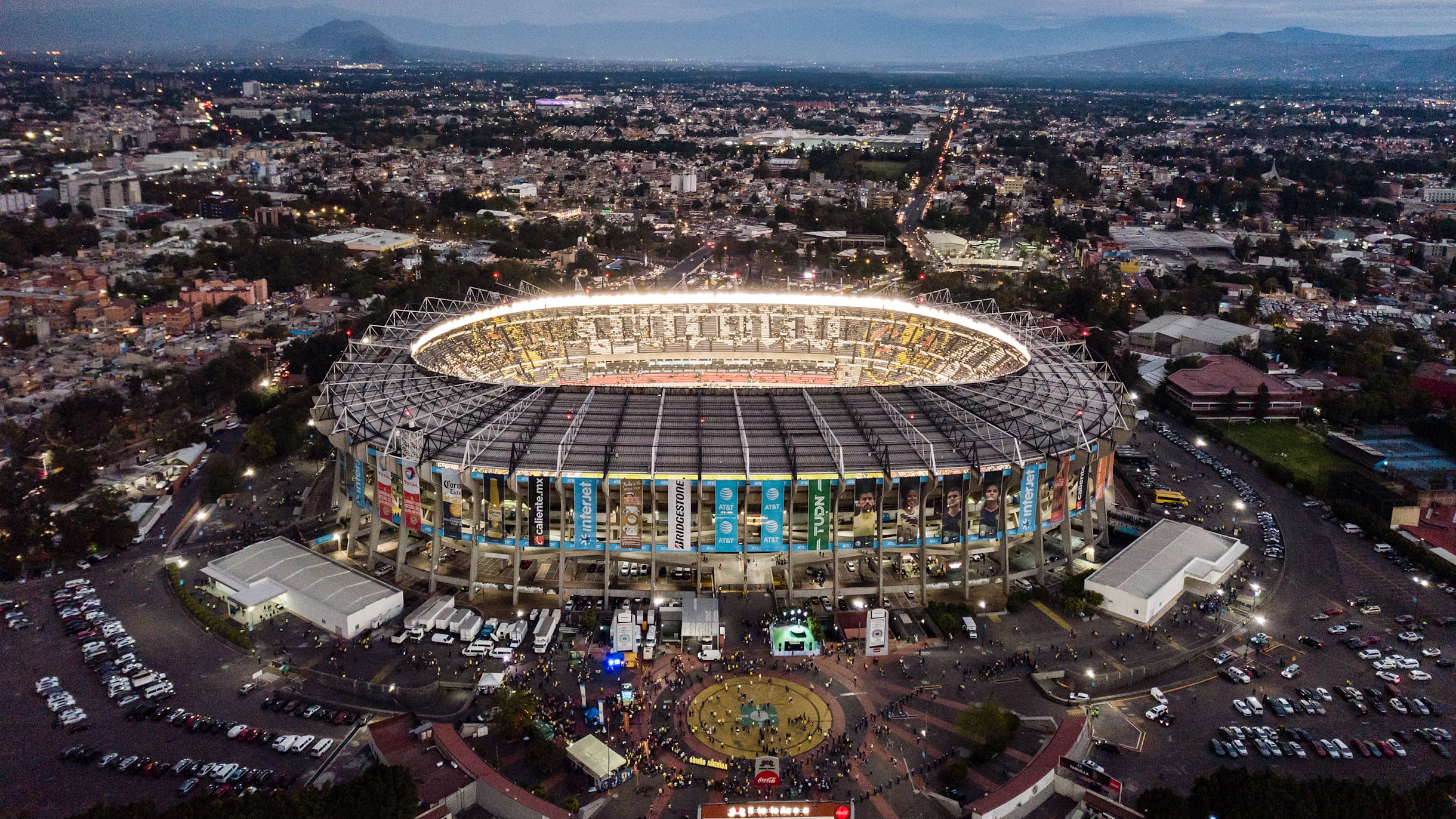
Estadio Azteca will host the opening match of the FIFA World Cup 2026. The stadium has previously hosted World Cup finals in 1970 and 1986. It remains one of the most recognised football venues globally, with a seating capacity exceeding 80,000.
Estadio BBVA, Monterrey
Estadio BBVA features modern architecture and FIFA-compliant facilities. It provides high-quality pitch conditions and spectator amenities. The stadium will host group-stage matches and selected knockout fixtures.
Estadio Akron, Guadalajara
Estadio Akron offers a balanced combination of capacity and infrastructure. It supports international football matches and includes upgraded media and player facilities for the tournament.
These stadiums will anchor the early stages of the competition while maintaining historical continuity.
Best Stadiums in Canada for FIFA World Cup 2026
Modern Venues Supporting Tournament Expansion
Canada’s stadiums have been upgraded to meet FIFA’s tournament requirements.
BC Place, Vancouver
BC Place features a retractable roof and advanced lighting systems. The stadium supports large-scale sporting events and will host group-stage matches and early knockout rounds. Its infrastructure aligns with FIFA standards for global competitions.
BMO Field, Toronto
BMO Field has undergone expansion to increase seating capacity and improve facilities. It will host multiple matches during the group stage and contribute to the round of 32 fixtures. The venue includes upgraded pitch systems and media infrastructure.
Canada’s stadiums play a critical role in extending the tournament across North America.
Stadium Features and Selection Criteria
Infrastructure, Capacity, and Match Allocation
FIFA identified the best stadiums in USA, Canada and Mexico based on measurable criteria:
- Seating capacity exceeding 60,000 for major fixtures
- Advanced broadcast and media infrastructure
- Climate-controlled or adaptable playing conditions
- Proven record of hosting international events
- Efficient transportation and urban connectivity
Larger stadiums host knockout matches, including semi-finals and the final, while mid-capacity venues manage group-stage fixtures. Stadium allocation ensures operational efficiency and consistent match delivery across all locations.
Frequently Asked Questions
Which is the best stadium in FIFA World Cup 2026?
MetLife Stadium in New York New Jersey is the primary stadium for the FIFA World Cup 2026 as it will host the final match. FIFA selected this venue based on capacity, infrastructure, and accessibility. It meets all technical requirements for hosting the tournament’s concluding fixture and has experience managing large-scale international events.

Which stadium will host the opening match?
Estadio Azteca in Mexico City will host the opening match of the FIFA World Cup 2026. This stadium holds historical importance due to its role in previous World Cup tournaments. FIFA selected it to begin the tournament across three host nations.
How many top stadiums are in the United States?
The United States includes multiple top-tier stadiums within the FIFA World Cup 2026 structure. Key venues such as MetLife Stadium, AT and T Stadium, Mercedes Benz Stadium, and SoFi Stadium are assigned high-profile matches based on their capacity and infrastructure.
Why are these stadiums considered the best?
These stadiums meet FIFA’s highest standards for capacity, infrastructure, and operational readiness. They support advanced broadcast systems, high-quality pitch conditions, and large spectator volumes. Their ability to host international events also contributes to their selection.
Do Canada and Mexico have top stadiums in the tournament?
Canada and Mexico both contribute key stadiums to the FIFA World Cup 2026. Estadio Azteca in Mexico City is one of the most historically significant venues, while BC Place and BMO Field in Canada provide modern infrastructure for international matches.
Conclusion
The best stadiums in USA, Canada and Mexico define the operational structure of the FIFA World Cup 2026. These venues host high-profile matches based on capacity, infrastructure, and historical relevance. The United States provides the majority of top-tier stadiums, while Mexico and Canada contribute key venues for early and mid-stage fixtures. The selection reflects FIFA’s emphasis on operational efficiency and global event standards. The best stadiums in USA, Canada and Mexico will play a central role in delivering the tournament across North America.