Goal Scoring Trends Define Early Golden Boot 2026 Discussion
The evaluation of Golden Boot Prediction 2026 has gained relevance as international teams continue preparations for the expanded FIFA World Cup format. The 2026 FIFA World Cup will feature 48 teams and 104 matches, increasing the total number of attacking opportunities compared to previous editions.
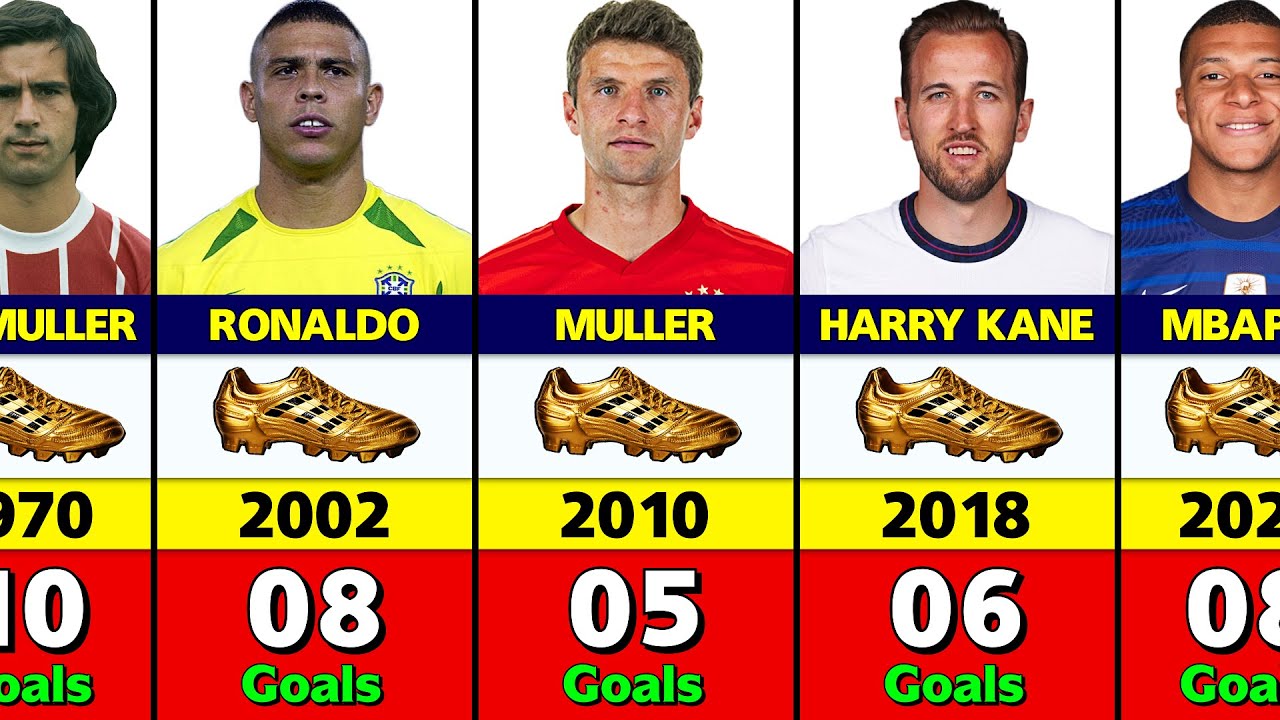
Historical FIFA data shows that Golden Boot winners typically score between 6 and 8 goals in a single tournament. In the 2022 FIFA World Cup, Kylian Mbappe secured the Golden Boot with 8 goals. In 2018, Harry Kane won the award with 6 goals.
Current international fixtures and club competitions indicate that several forwards continue to record consistent goal contributions. These players have maintained high scoring ratios in domestic leagues, UEFA competitions, and international qualifiers between 2023 and 2026.
The analysis of Golden Boot Prediction 2026 is based on verified scoring records, international appearances, and positional roles in national teams. Strikers and attacking forwards with regular starting roles and penalty-taking responsibilities hold a statistical advantage in Golden Boot races.
The 2026 FIFA World Cup format increases match volume, which directly impacts goal-scoring probabilities. Teams reaching knockout stages play more matches, increasing opportunities for individual players to accumulate goals.
Players included in this analysis have recorded consistent goal contributions at club level and have confirmed involvement in international squads. Data from recent seasons shows that top forwards maintain goal averages above 0.5 goals per match across competitions.
The evaluation includes forwards from Europe and South America who have participated in FIFA qualifiers, continental tournaments, and top domestic leagues.
Leading Candidates for Golden Boot 2026
Kylian Mbappe
Kylian Mbappe remains one of the most consistent goal scorers in international football. He has scored over 40 international goals before the age of 27 and maintains a high conversion rate in major tournaments.
In the 2022 FIFA World Cup, he scored 8 goals across 7 matches. His role as a primary forward and penalty taker increases his goal-scoring opportunities.
Erling Haaland
Erling Haaland has recorded one of the highest goal-per-match ratios in club football. He has scored more than 30 goals in multiple league seasons and maintains a strong presence in international fixtures.
Norway’s qualification status will determine his participation, but his scoring consistency places him among top candidates.
Harry Kane
Harry Kane continues to serve as England’s primary striker and penalty taker. He has surpassed 60 international goals and maintains a consistent scoring record in qualifiers and tournaments.
His role ensures high involvement in attacking plays and set-piece situations.
Emerging Forwards with High Goal Potential
Vinicius Junior
Vinicius Junior has transitioned into a primary attacking role for Brazil. He has recorded increasing goal contributions in both club and international matches.
Brazil’s attacking system supports wide forwards with high scoring opportunities.
Lautaro Martinez
Lautaro Martinez has maintained a consistent goal-scoring record for Argentina. He has scored over 20 international goals and plays as a central striker.
He operates within a system that generates frequent scoring chances.
Julian Alvarez
Julian Alvarez has contributed goals in major tournaments, including the 2022 FIFA World Cup. He plays both as a striker and supporting forward.
His versatility increases match involvement and scoring chances.
Key Factors Influencing Golden Boot Race
Team Progression
Players from teams reaching semi-finals or finals typically play 6 to 7 matches. Increased match exposure directly impacts total goals scored.
Penalty Responsibilities
Primary penalty takers often gain additional goals. Historical data shows that multiple Golden Boot winners scored at least 2 penalties during tournaments.
Playing Position
Central strikers have a statistical advantage due to higher shot frequency. Wide forwards also contribute significantly in modern tactical systems.
Match Distribution
Group-stage matches often produce higher goal margins. Players scoring multiple goals in early matches gain an advantage in the Golden Boot race.
Historical Golden Boot Data
- 2022: Kylian Mbappe, 8 goals
- 2018: Harry Kane, 6 goals
- 2014: James Rodriguez, 6 goals
- 2010: Thomas Muller, 5 goals
- 2006: Miroslav Klose, 5 goals
These figures indicate that 5 to 8 goals typically secure the Golden Boot.
Frequently Asked Questions
- What is the Golden Boot in the FIFA World Cup?
The Golden Boot is awarded to the player who scores the highest number of goals in a FIFA World Cup tournament. FIFA uses goals scored as the primary criterion. In case of a tie, assists and minutes played are used as tie-breakers. The award recognises the most effective goal scorer across all stages of the tournament, including group and knockout matches.
- How many goals are usually required to win the Golden Boot?
Historical data shows that Golden Boot winners typically score between 5 and 8 goals in a tournament. The exact number depends on match distribution, team progression, and scoring patterns. In recent tournaments, the winning tally has remained within this range, reflecting consistent scoring benchmarks.
- Do penalty goals count towards the Golden Boot?
Yes, penalty goals are included in the total goal count for the Golden Boot. Players who take penalties often have an advantage in scoring totals. Several past Golden Boot winners have included penalty goals in their tally.
- Does team performance affect Golden Boot chances?
Team progression plays a significant role. Players from teams that reach later stages of the tournament play more matches, which increases scoring opportunities. Players eliminated in early rounds have fewer chances to accumulate goals.
- Can young players win the Golden Boot?
Yes, young players have won the Golden Boot in previous tournaments. Performance, playing time, and team structure are more important factors than age. Players with consistent scoring roles and regular match participation have the highest probability of winning the award.

Conclusion
The Golden Boot Prediction 2026 is based on goal-scoring records, international appearances, and team structure data. Players such as Kylian Mbappe, Erling Haaland, and Harry Kane maintain strong statistical profiles based on recent performances.
The expanded format of the 2026 FIFA World Cup increases total matches and scoring opportunities. Team progression, penalty roles, and positional play remain key determinants in the Golden Boot race.
Final outcomes will depend on official squad selection, match performance, and tournament progression.