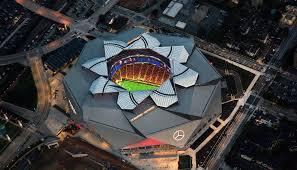
The 2026 FIFA World Cup is set to redefine the scale of global football. With 48 teams, 104 matches, and three host nations, this edition marks the most ambitious expansion in the tournament’s history. Scheduled from June 11 to July 19, 2026, the competition will stretch across North America, introducing a new format, broader participation, and record-breaking commercial stakes. The tournament reflects a strategic shift by FIFA to make football more inclusive, global, and commercially powerful than ever before.
A Turning Point for Global Football
The FIFA World Cup 2026 represents a structural transformation of the sport’s biggest event. For decades, the tournament followed a 32-team format, but the upcoming edition expands participation to 48 teams, increasing both scale and reach.
This change is not limited to numbers. The tournament will be co-hosted by three countries, the United States, Canada, and Mexico, marking the first time in history that three nations will jointly host the event.
The expansion aligns with FIFA’s broader objective of globalising football by giving more countries access to the biggest stage. It also introduces a new competitive structure, longer duration, and increased fan engagement across continents.
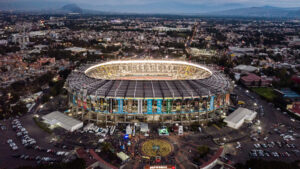
48 Teams: The Biggest Expansion in History
From 32 to 48 Teams
The most significant change in the 2026 edition is the expansion from 32 to 48 teams.
- 16 additional teams will participate
- Teams from Asia: 8 direct slots
- Africa: 9 direct slots
- Europe: 16 slots
- South America: 6 slots
This expansion increases representation from developing football regions, making the tournament more inclusive.
Why it Matters
- More nations get global exposure
- Smaller footballing countries gain entry
- Competitive diversity increases
The inclusion of emerging teams transforms the World Cup from an elite competition into a truly global tournament.
104 Matches: A Record-Breaking Tournament
More Games Than Ever Before
The 2026 World Cup will feature 104 matches, up from 64 in previous editions.
- Increase of 40 matches
- Tournament duration extended to 39 days
- More knockout rounds introduced
New Tournament Format
- 12 groups of 4 teams
- Top 2 teams from each group qualify
- 8 best third-placed teams also advance
- Introduction of a Round of 32
This format ensures that more teams remain in contention for longer, increasing engagement and unpredictability.
Three Host Nations: A Historic First
Multi-Country Hosting
The 2026 edition is the first to be hosted by three countries.
- 16 host cities across North America
- Matches spread across multiple time zones
- Shared infrastructure and logistics
Key Venues and Locations
- Opening match: Mexico City
- Final: New York/New Jersey
- Major venues across the US, Canada, and Mexico
This geographic spread transforms the tournament into a continental event rather than a single-nation spectacle.
Commercial Scale and Prize Money
Record Financial Stakes
The 2026 World Cup is expected to feature a $727 million prize pool, the highest in tournament history.
Economic Impact
- Increased ticket sales due to more matches
- Higher broadcasting revenues
- Expanded sponsorship deals
The scale of investment reflects football’s growing commercial power and global audience.
Global Reach and Fan Engagement
More Fans, More Markets
With matches across North America:
- Fans from multiple countries can attend
- Time zones allow wider global broadcast reach
- Increased accessibility for international audiences
Cultural Integration
Each host nation brings unique cultural elements, creating a diverse tournament experience. The inclusion of multiple mascots and city identities reflects this diversity.
Infrastructure and Logistics at a New Scale
16 Host Cities
The tournament will be played across 16 cities, requiring advanced coordination.
- Large stadium capacities
- Advanced transport systems
- Cross-border travel coordination
Challenges and Opportunities
- Managing travel across countries
- Coordinating security and logistics
- Delivering consistent fan experience
The scale of operations makes this one of the most complex sporting events ever organised.
Frequently Asked Questions
- Why is the 2026 World Cup considered the biggest ever?
The 2026 edition is the largest due to its expansion to 48 teams, 104 matches, and three host nations. These changes significantly increase participation, duration, and global reach compared to previous tournaments.
- How many teams will play in the 2026 World Cup?
A total of 48 teams will participate, up from 32 in earlier editions. This allows more countries from different continents to compete on the global stage.
- Which countries are hosting the 2026 World Cup?
The tournament will be hosted jointly by the United States, Canada, and Mexico. This is the first time three countries will host the event together.
- How many matches will be played?
The tournament will include 104 matches, making it the longest and most extensive World Cup in history.
- When will the 2026 World Cup take place?
The tournament will begin on June 11, 2026, and conclude with the final on July 19, 2026.

Conclusion
The FIFA World Cup 2026 marks a defining moment in football history. Its expanded format, multi-country hosting, and record-breaking scale signal a shift toward a more inclusive and commercially powerful tournament. With more teams, more matches, and a broader global footprint, this edition sets a new benchmark for international sporting events.
Image Alt Text Suggestions
- FIFA World Cup 2026 stadium host city
- football fans cheering world cup stadium
- world cup 2026 host countries map
- football match crowd celebration
- world cup trophy stadium lights