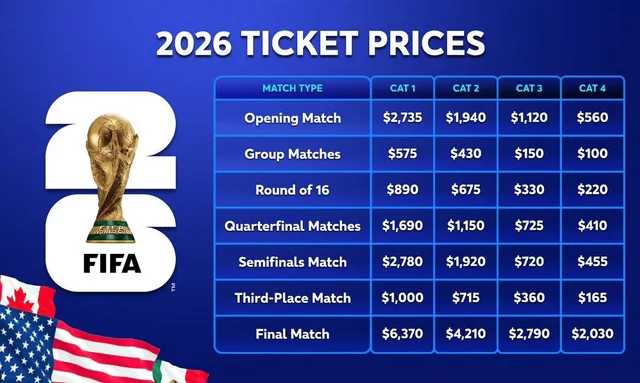
Dynamic Pricing and Record Demand Drive Higher Costs in FIFA World Cup 2026
The increase in ticket prices for the FIFA World Cup 2026 is directly linked to FIFA’s adoption of dynamic pricing, the introduction of new premium ticket categories, and unprecedented global demand. Official updates confirm that ticket prices have expanded beyond previous World Cup benchmarks, with additional high-cost tiers introduced for premium experiences. The tournament’s expanded format, featuring 48 teams and 104 matches, has further intensified demand, placing upward pressure on pricing across all categories.
Introduction
The topic of why ticket prices are so high in 2026 is defined by structural changes in FIFA’s ticketing strategy. FIFA has implemented a dynamic pricing model for the first time in World Cup history, allowing ticket prices to adjust based on demand, match importance, and seat location. This shift replaces the largely fixed pricing model used in previous tournaments.
The FIFA World Cup 2026 will take place across the United States, Canada, and Mexico, increasing logistical scale and operational costs. At the same time, FIFA has introduced new ticket categories, including higher-priced premium tiers, which expand the pricing range beyond standard seating structures.
The combination of demand-based pricing, expanded tournament size, and premium offerings has resulted in higher average ticket prices compared to previous editions.
Dynamic Pricing Model Explained
Demand-Based Pricing Replaces Fixed Structure
FIFA has introduced dynamic pricing to align ticket costs with real-time market demand. Under this system, prices are not fixed at release and can increase based on purchasing activity.
Key factors influencing price changes include:
- Match demand and team popularity
- Stage of the tournament
- Seat location within the stadium
- Availability of remaining tickets
High-demand matches, particularly knockout rounds and fixtures involving top-ranked teams, experience significant price increases during sales phases. This model reflects pricing strategies used in major sports leagues and entertainment events.
Dynamic pricing ensures that ticket costs respond directly to demand levels rather than remaining constant across sales periods.

Introduction of New Premium Ticket Categories
Expansion of High-Value Seating Options
FIFA has added new premium ticket categories for the FIFA World Cup 2026, increasing the upper limit of ticket pricing.
These categories include:
- Enhanced hospitality packages
- Premium seating with exclusive services
- High-tier ticket categories beyond traditional Category 1
These additions provide upgraded matchday experiences, including dedicated lounges, catering, and priority access. The introduction of these tiers increases the overall pricing range and contributes to higher average ticket costs.
Reports confirm that some newly introduced ticket categories exceed previous World Cup price levels, reflecting FIFA’s focus on premium revenue segments.
Impact of Increased Global Demand
Expanded Tournament Drives Higher Interest
The FIFA World Cup 2026 features 48 teams and 104 matches, making it the largest edition in tournament history. This expansion has increased global participation and audience reach.
Demand drivers include:
- More participating nations
- Increased fan travel across North America
- Higher media coverage and global visibility
- Larger stadium capacities combined with higher attendance expectations
Despite the increased number of matches, demand continues to exceed supply for key fixtures. This imbalance contributes directly to rising ticket prices, especially during later sales phases and resale periods.
Multi-Country Hosting and Cost Factors
Infrastructure and Operational Scale
The three-country hosting model introduces additional logistical complexity. Matches will take place across multiple cities in the United States, Canada, and Mexico, requiring extensive coordination.
Cost factors influencing ticket pricing include:
- Stadium upgrades and compliance requirements
- Security operations across multiple jurisdictions
- Transportation and infrastructure management
- Broadcast and media production costs
These operational requirements contribute indirectly to ticket pricing structures, as FIFA aligns revenue generation with tournament scale.
Resale Market and Price Inflation
Secondary Market Reflects Demand Pressure
The official resale marketplace also reflects high demand, with ticket prices often exceeding original face value. As availability decreases, resale prices increase, particularly for high-demand matches.
FIFA regulates resale transactions through its official platform to maintain authenticity. However, pricing within this marketplace responds to supply and demand conditions, contributing to overall cost increases.
Frequently Asked Questions
Why are FIFA World Cup 2026 tickets more expensive than previous tournaments?
Ticket prices are higher due to the introduction of dynamic pricing, new premium categories, and increased global demand. FIFA has expanded pricing tiers and aligned ticket costs with market demand, resulting in higher overall price ranges compared to previous editions.
What is dynamic pricing in FIFA World Cup 2026?
Dynamic pricing allows ticket prices to change based on demand, match importance, and availability. Prices can increase during sales phases as demand rises, particularly for knockout matches and high-profile fixtures.
Do all tickets follow dynamic pricing?
Not all tickets are fully dynamic. Some categories, including lower-tier or supporter allocations, maintain fixed pricing to ensure accessibility. However, many standard and premium tickets are subject to demand-based adjustments.
Why has FIFA introduced more expensive ticket categories?
FIFA has introduced premium categories to offer enhanced matchday experiences and generate higher revenue. These categories include hospitality services, premium seating, and exclusive access features.
Does higher demand affect resale ticket prices?
Yes, resale ticket prices increase when demand exceeds supply. The official FIFA resale marketplace reflects real-time demand, often resulting in higher prices for popular matches.

The Major Takeaway
The increase in ticket prices for the FIFA World Cup 2026 results from a combination of dynamic pricing, expanded premium categories, and record global demand. FIFA has restructured its ticketing model to reflect market conditions and tournament scale. The introduction of new pricing tiers and demand-based adjustments has expanded the overall price range. The FIFA World Cup 2026 ticket pricing structure reflects both the commercial scale and global interest associated with the tournament.
Image Alt Text Suggestions
- FIFA World Cup 2026 ticket pricing chart
- dynamic pricing football tickets concept
- stadium premium seating World Cup 2026
- football fans buying expensive tickets
- World Cup 2026 crowd demand visuals