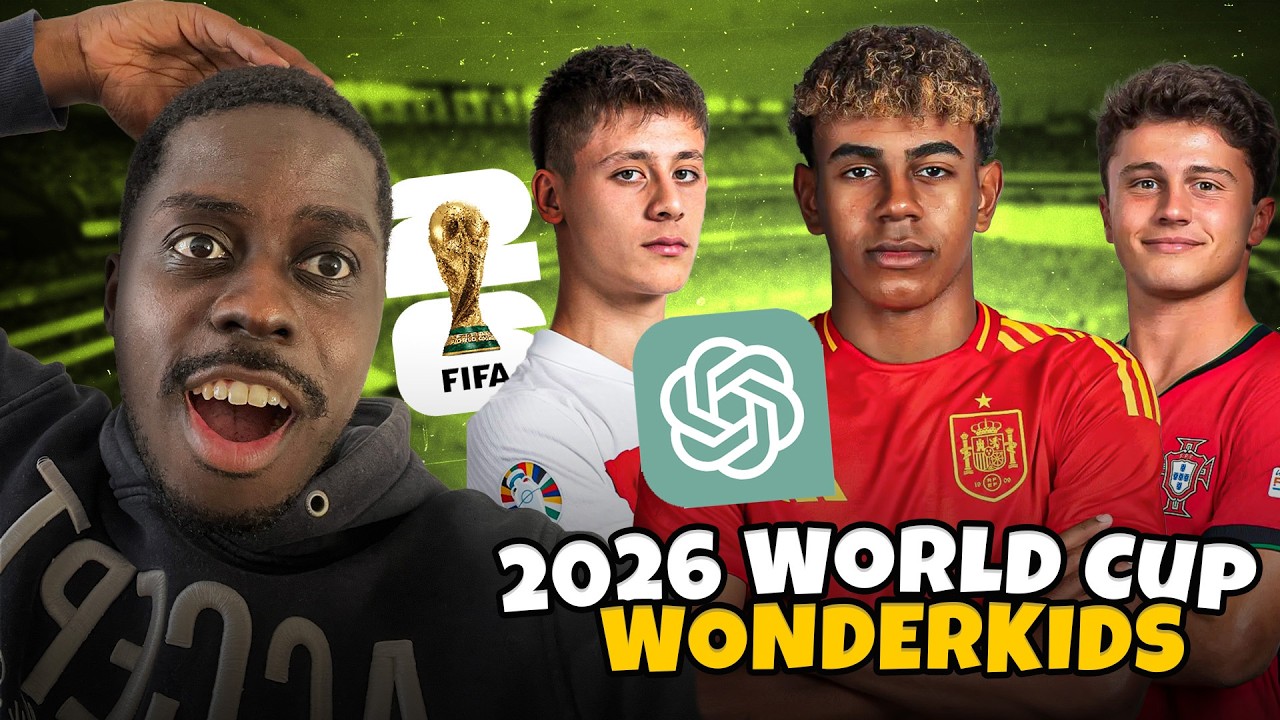
Emerging Talents Set to Shape FIFA World Cup 2026 Campaigns
The discussion around Young Players Who Can Dominate 2026 FIFA World Cup has intensified as international teams continue squad transitions ahead of the expanded 48-team tournament. The 2026 FIFA World Cup, scheduled across the United States, Canada, and Mexico, will feature increased squad rotation due to a higher number of matches and venues.
Recent international fixtures, continental tournaments, and club competitions have highlighted a group of under-23 players delivering consistent performances at senior level. Data from European leagues, UEFA competitions, and CONMEBOL qualifiers confirms that several young players already hold starting roles for their national teams.
The current cycle of FIFA rankings and qualifiers shows increased reliance on players aged between 19 and 23. This shift reflects long-term squad planning adopted by national federations since the 2022 World Cup cycle.
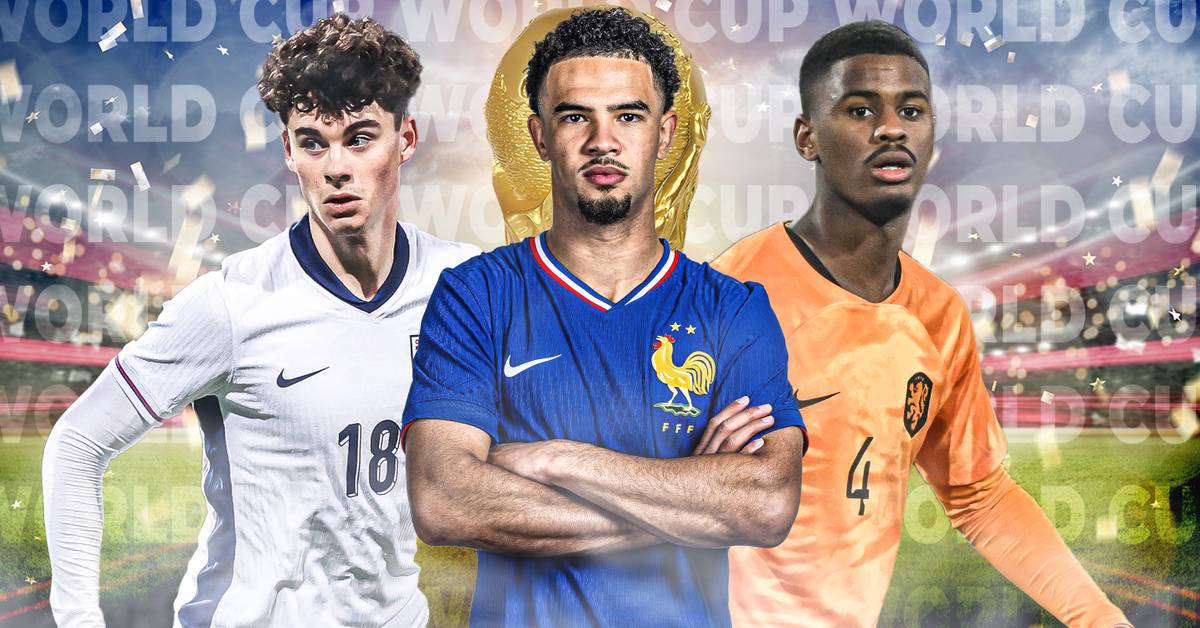
The identification of Young Players Who Can Dominate 2026 FIFA World Cup is based on verified appearances, club performance metrics, and international match involvement between 2023 and 2026. National teams across Europe and South America have integrated younger players into starting line-ups during qualifiers and competitive fixtures.
The 2026 FIFA World Cup will include 48 teams and 104 matches, marking the largest tournament format in FIFA history. Squad depth and player rotation will play a critical role in performance consistency.
Players listed in this report have recorded senior international caps, regular club appearances in top-tier leagues, and participation in UEFA Champions League, Copa Libertadores, or equivalent competitions. These factors establish measurable criteria for inclusion.
The analysis includes midfielders, forwards, defenders, and goalkeepers currently aged 17 to 23, with documented performance data and confirmed roles in national squads.
Midfield Players Leading the Next Generation
Jude Bellingham
Jude Bellingham has recorded consistent performances for England since his senior debut in 2020. As of the 2024–25 season, he has registered double-digit goal contributions in a single club season and maintains a regular starting position in midfield.
He has accumulated more than 30 international caps before the age of 22. His role includes central midfield control, forward progression, and set-piece involvement.
Pedri
Pedri has played a central role in Spain’s midfield since UEFA Euro 2020. He has recorded over 50 senior appearances for club and country in multiple seasons.
He operates as a primary playmaker with high pass completion rates and consistent involvement in possession phases. Spain continues to deploy him in central and advanced midfield roles.
Jamal Musiala
Jamal Musiala has established himself in Germany’s attacking midfield structure. He has recorded multiple goal involvements in UEFA competitions and domestic league matches.
He has surpassed 20 international caps and features regularly in Germany’s starting eleven. His role includes attacking transitions and final-third decision-making.
Forward Line Prospects in FIFA World Cup 2026
Endrick
Endrick has received senior national team call-ups before the age of 18. He has scored goals in official international matches and secured a transfer to a top European club.
Brazil has integrated him into its forward rotation, particularly in CONMEBOL qualifiers. His involvement includes central striker positioning and attacking substitutions.
Alejandro Garnacho
Alejandro Garnacho has recorded appearances for Argentina’s senior team and contributes regularly at club level in European competitions.
He operates as a wide forward with high dribble success rates and consistent involvement in attacking build-up. Argentina has included him in competitive squad selections post-2022 World Cup.
Youssoufa Moukoko
Youssoufa Moukoko has participated in international fixtures for Germany and maintains regular appearances in domestic league competitions.
He has recorded goals at youth and senior levels and features in Germany’s striker rotation. His role focuses on central attacking positions.
Defensive Structure and Emerging Centre-Backs
Josko Gvardiol
Josko Gvardiol played a key role in Croatia’s 2022 World Cup campaign and continues as a regular starter.
He has recorded high defensive metrics including interceptions, clearances, and successful duels in European competitions. Croatia maintains him as a primary centre-back option.
Antonio Silva
Antonio Silva has established a starting role at club level and has received senior international caps for Portugal.
He has recorded consistent defensive performances in league and European matches. Portugal includes him in defensive rotation for competitive fixtures.
Goalkeeping Options for 2026 Tournament
Giorgi Mamardashvili
Giorgi Mamardashvili has recorded regular starts in European domestic leagues and international fixtures.
He has maintained a high save percentage across multiple seasons and features as the first-choice goalkeeper for Georgia. His performances in international qualifiers have drawn attention due to consistency in shot-stopping and aerial control.
Frequently Asked Questions
- What criteria define young players for FIFA World Cup 2026 analysis?
The classification includes players aged between 17 and 23 during the 2026 tournament cycle. The selection criteria include senior international caps, participation in official competitions such as qualifiers and continental tournaments, and regular appearances in top-tier club football. Data from domestic leagues, UEFA competitions, and international fixtures supports inclusion. Players without senior-level exposure are excluded from this analysis to maintain factual accuracy and verified performance benchmarks.
- How many teams and matches will be played in the 2026 FIFA World Cup?
The 2026 FIFA World Cup will feature 48 teams and a total of 104 matches. This marks an expansion from the previous 32-team format. The tournament will take place across multiple host cities in the United States, Canada, and Mexico. The expanded format increases the number of group-stage matches and requires deeper squad rotation, which increases the role of younger players in match participation.
- Which competitions provide data for evaluating these players?
Performance evaluation is based on data from UEFA Champions League, domestic top-tier leagues such as the Premier League, La Liga, Bundesliga, Serie A, and Ligue 1, along with international competitions including FIFA World Cup qualifiers and continental tournaments. These competitions provide measurable metrics such as goals, assists, minutes played, defensive actions, and selection frequency.
- How does squad rotation affect young players in the 2026 tournament?
The expanded tournament structure requires national teams to manage player workload across more matches. Squad rotation ensures consistent performance and injury management. Younger players often receive increased playing time during group-stage matches and congested schedules. Teams include them in tactical planning due to fitness levels and adaptability across positions.
- Are these players confirmed for FIFA World Cup 2026 squads?
No official final squad lists have been released for the 2026 FIFA World Cup. National teams will announce final squads closer to the tournament based on qualification results, player fitness, and form. The players listed in this report have current involvement in national teams and meet performance criteria based on recent international and club appearances.
Conclusion
The list of Young Players Who Can Dominate 2026 FIFA World Cup is based on verified match data, international caps, and consistent club-level performance. These players hold established roles in national squads and participate in major competitions leading up to the tournament.
The expanded 48-team format increases match volume and squad utilisation, placing emphasis on younger players with high match fitness and adaptability. Midfielders, forwards, defenders, and goalkeepers included in this analysis represent structured squad development across leading football nations.
Final squad confirmation will depend on qualification outcomes and player fitness closer to the tournament timeline.
Focus Keyphrases
- Young Players FIFA World Cup 2026
- FIFA World Cup 2026 rising stars
- football young talents 2026
- FIFA 2026 players list
- next generation footballers
Image Alt Text Suggestions
- young football players 2026 world cup
- FIFA World Cup rising stars
- football youth talents international
- next generation football players
- FIFA 2026 players training