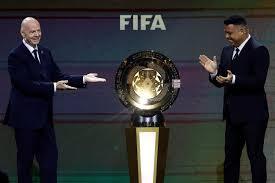
The FIFA World Cup has long been the pinnacle of global sport—a tournament where nations unite, legends are born, and history is written. But in recent years, a debate has emerged:
Is the FIFA World Cup losing its charm… or becoming bigger than ever? Let’s explore both sides of this evolving narrative.
The Magic of the Classic World Cup Era
From Pelé lifting the trophy to Diego Maradona’s “Hand of God,” the World Cup was once pure magic.
What made it special?
- Happened once every 4 years ⏳
- Limited teams → intense competition
- National pride above everything 🇦🇷🇧🇷🇩🇪
- Iconic moments that defined generations
The rarity created unmatched emotion and anticipation
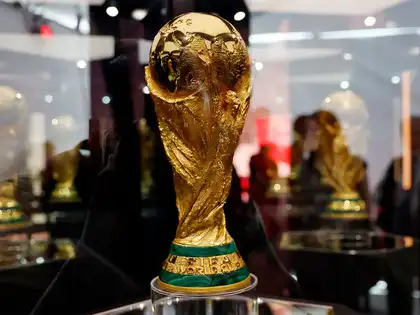
Why Some Fans Feel it’s Losing Charm
-
Expansion to 48 Teams (Starting 2026)
- More teams = more matches
- Risk of uneven competition
Some fans fear dilution of quality
-
Over-Commercialization
- Sponsorships, ads, branding everywhere
- Football sometimes feels secondary to business
-
Club Football Dominance
Clubs like Real Madrid, Manchester City, and FC Barcelona dominate headlines year-round.
Players often peak in club football, not necessarily in national tournaments
-
Packed Football Calendar
- UEFA Champions League
- Domestic leagues
- International breaks
Fans are constantly watching football → less “special” feeling
Why the FIFA World Cup is Actually Growing Bigger
-
Global Reach Like Never Before
- New regions like Asia, Africa, and North America are deeply engaged
- The 2026 World Cup will be hosted across United States, Canada, and Mexico
Truly a global mega-event
-
Record-Breaking Viewership
- Billions tune in worldwide
- Digital streaming + social media amplify reach
-
Bigger Opportunities for Smaller Nations
- More teams = more representation
- Underdog stories emerge
Football becomes more inclusive
-
Technological Evolution
- VAR (Video Assistant Referee)
- Goal-line technology
- Advanced analytics
Fairer and more precise decisions
Then vs Now: A Reality Check
| Factor | Earlier World Cups | Modern World Cups |
| Teams | 24–32 | 48 (from 2026) |
| Emotion | Very high ❤️ | Still high, but different |
| Reach | Limited | Global 🌍 |
| Revenue | Moderate | Massive 💰 |
| Fan Experience | TV-based | Digital + interactive 📱 |
So, What’s Really Happening?
The truth is simple:
The FIFA World Cup is not losing its charm—it is changing its form
- Earlier: Emotional, rare, intimate
- Now: Massive, global, commercial
Fan Perspective
- Traditional fans: “It was more magical before”
- New-age fans: “It’s bigger and more exciting now”
Both perspectives are valid
Frequently Asked Questions
- Is the FIFA World Cup becoming less popular?
No
It is actually growing in viewership and global participation.
- Why do some fans think it’s losing charm?
Because of:
- Expansion of teams
- Commercialization
- Overexposure to football
- Will the 48-team format affect quality?
Partially
Some matches may be one-sided, but it increases global inclusivity.
- Is club football bigger than the World Cup now?
In consistency, yes.
But in global impact and emotion, the World Cup still leads.
- Will the World Cup remain the biggest football event?
Yes
Despite changes, it remains the most prestigious tournament in football.
The Major Takeaway
The FIFA World Cup is not fading—it’s evolving.
It has transformed from a pure sporting spectacle into a global entertainment phenomenon
The charm hasn’t disappeared…
It has simply changed shape.
So, what do you think—nostalgia or new-era dominance?