Global Planning, Logistics, and Governance Drive the Execution of FIFA World Cup 2026
The organisation of a FIFA World Cup involves multi-year planning, international coordination, and large-scale infrastructure management. FIFA oversees the tournament through structured governance systems, working alongside host governments, local organising committees, and global partners. The FIFA World Cup 2026, scheduled from June 11 to July 19, 2026, across the United States, Canada, and Mexico, represents the most complex edition in tournament history due to its expanded format and multi-country hosting model.
The process behind organising a FIFA World Cup begins years before the first match. FIFA leads the overall planning, while host nations execute operational responsibilities through dedicated local organising committees. The FIFA World Cup 2026 introduces additional layers of complexity, including 48 teams, 104 matches, and 16 host cities across three countries.
FIFA defines tournament requirements through detailed regulations covering stadium readiness, security, broadcasting, ticketing, and commercial operations. Each host city must comply with these standards before final approval. Coordination between international governing bodies and national authorities ensures consistency across all venues.
The organisation of the FIFA World Cup 2026 reflects a structured approach that combines global governance with local execution.
Tournament Planning and Governance
FIFA’s Central Role
FIFA acts as the primary decision-making authority for all aspects of the World Cup. Responsibilities include:
- Tournament scheduling and format design
- Allocation of matches to host cities
- Commercial rights management
- Global broadcasting agreements
FIFA establishes official guidelines and monitors compliance through regular inspections and reporting systems. Host countries operate under FIFA’s regulatory framework to ensure uniform standards.
Host Country Coordination
Multi-Nation Collaboration
The FIFA World Cup 2026 is jointly hosted by:
- United States
- Canada
- Mexico
Each country manages local operations, including stadium preparation, transport systems, and security arrangements. Governments collaborate with FIFA through formal agreements that define responsibilities and timelines.
Local organising committees operate in each host city, coordinating venue operations, fan services, and matchday logistics.
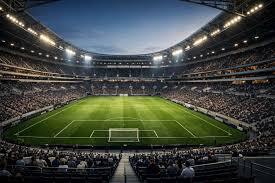
Stadium Preparation and Infrastructure
Venue Compliance and Upgrades
FIFA requires all stadiums to meet strict technical standards. Preparations include:
- Pitch quality and dimensions
- Seating capacity and safety compliance
- Media and broadcast facilities
- Player and official areas
Stadium upgrades often include modernisation of seating, improved accessibility, and installation of advanced technology systems. Host cities also invest in transport infrastructure, including roads, rail networks, and airport capacity.

Match Scheduling and Operations
Coordinating 104 Matches Across Time Zones
The FIFA World Cup 2026 includes 104 matches across multiple time zones. Scheduling requires precise coordination to ensure:
- Balanced rest periods for teams
- Optimised broadcast timing for global audiences
- Efficient use of stadiums
FIFA uses advanced scheduling models to allocate matches while considering travel distances and logistical constraints.
Security and Risk Management
Large-Scale Safety Operations
Security planning involves coordination between:
- National law enforcement agencies
- International security partners
- Private security providers
Measures include:
- Stadium security screening
- Crowd control systems
- Emergency response planning
Host countries implement comprehensive risk management strategies to address potential threats and ensure spectator safety.
Broadcasting and Global Coverage
Delivering Matches to a Global Audience
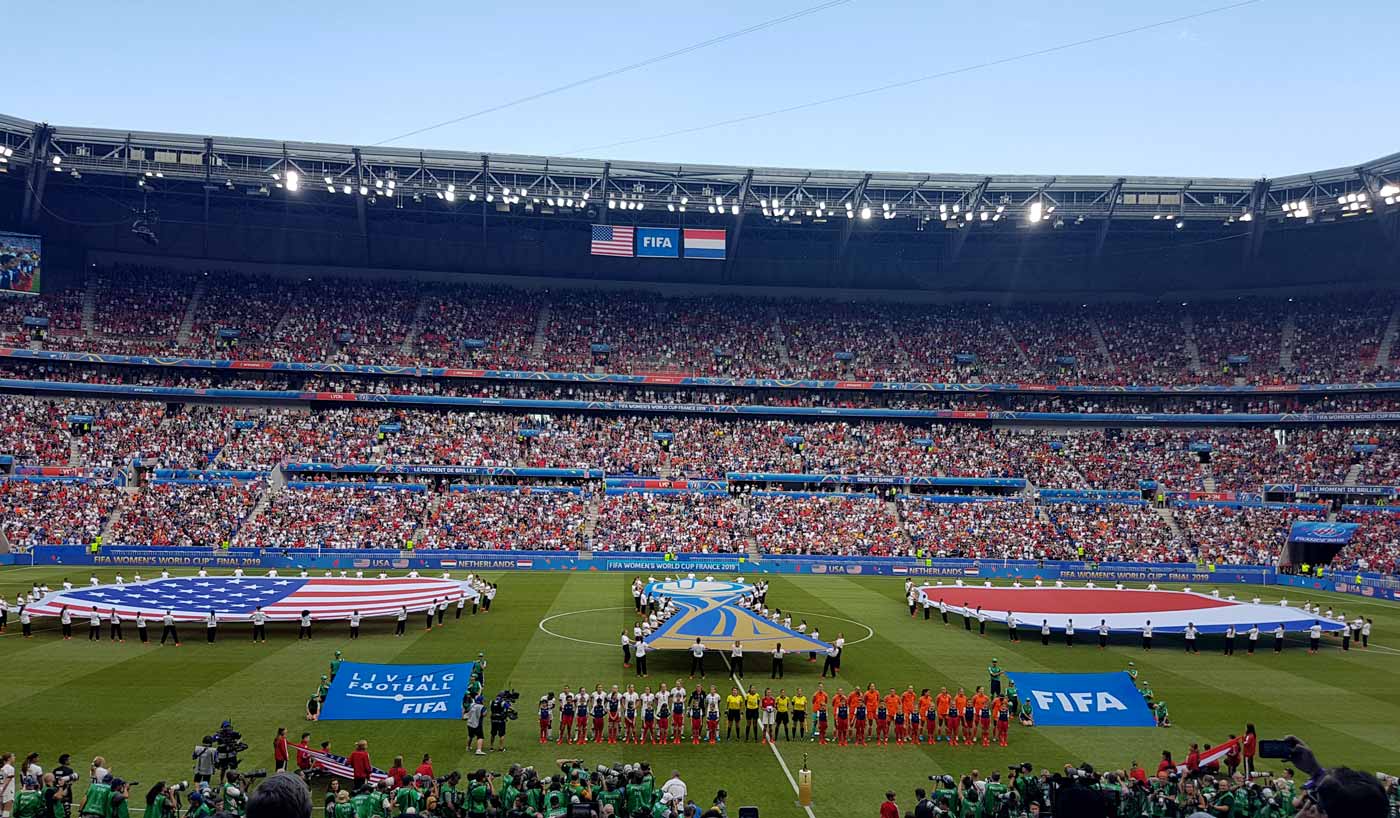
The FIFA World Cup is one of the most widely viewed sporting events globally. FIFA manages broadcasting through:
- Centralised media rights agreements
- Global distribution networks
- High-definition and digital streaming infrastructure
Production teams coordinate camera systems, commentary, and live feeds from each venue. Broadcast operations must remain consistent across all host cities.
Ticketing and Fan Management
Handling Millions of Spectators
FIFA manages ticket distribution through its official platform, including:
- Phased ticket sales
- Digital ticketing systems
- Entry verification at stadiums
Fan management includes:
- Crowd flow planning
- Fan zones in host cities
- Transport coordination
The FIFA World Cup 2026 is expected to attract millions of spectators across North America.
Commercial Partnerships and Sponsorships
Global Brand Integration
FIFA secures partnerships with global sponsors to support tournament operations. These partnerships include:
- Official sponsors and partners
- Licensing agreements
- Merchandising rights
Commercial revenue supports tournament costs, including infrastructure, logistics, and event operations.
Technology and Innovation
Digital Systems and Data Management
Technology plays a central role in tournament management:
- Video Assistant Referee systems
- Ticketing and access control platforms
- Data analytics for match operations
- Communication systems for teams and officials
These systems ensure accuracy, efficiency, and transparency across all matches.
Frequently Asked Questions
How long does it take to organise a FIFA World Cup?
The organisation process typically begins 6 to 8 years before the tournament. This includes bidding, planning, infrastructure development, and operational preparation.
Who is responsible for organising the World Cup?
FIFA oversees the tournament globally, while host countries manage local operations through organising committees and government agencies.
How are host cities selected?
FIFA evaluates cities based on stadium quality, infrastructure, accommodation capacity, and transport systems before final selection.
How does FIFA manage security?
FIFA works with national and international security agencies to implement safety measures, including stadium security, surveillance, and emergency response systems.
How are matches broadcast worldwide?
FIFA manages global broadcasting through media rights agreements and production teams that deliver live coverage across television and digital platforms.
Conclusion
The organisation of a FIFA World Cup involves coordinated planning across governance, infrastructure, security, and commercial operations. The FIFA World Cup 2026 introduces additional complexity due to its expanded format and multi-country hosting model. FIFA’s structured approach ensures consistent standards across all venues while host nations manage local execution. The scale of operations reflects the global significance of the tournament and its position as one of the largest sporting events in the world.
Image Alt Text Suggestions
- FIFA World Cup stadium preparation
- football event management operations
- World Cup security and logistics
- stadium broadcast setup football
- fans entering World Cup venue