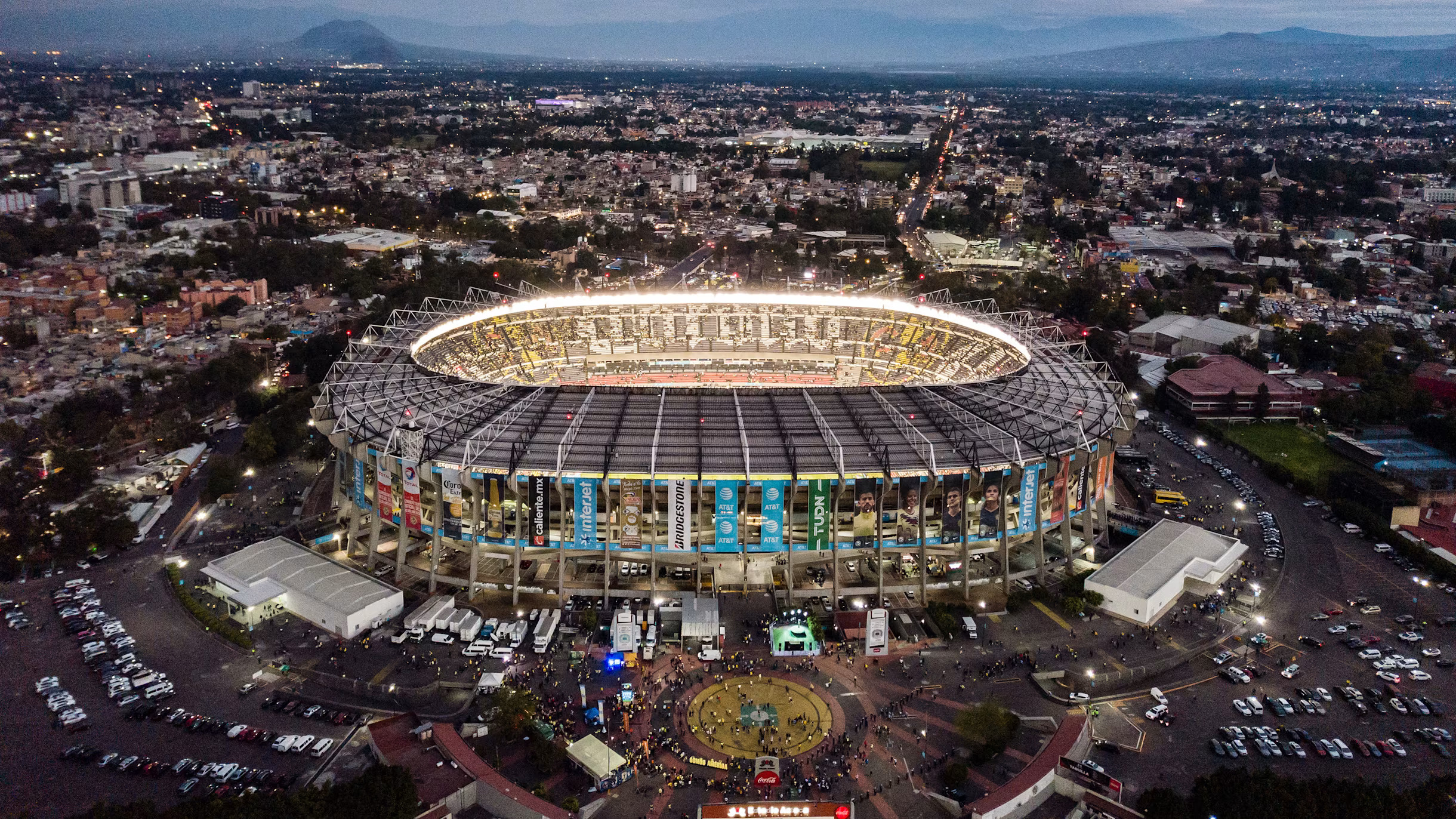
Historic 16-Stadium Lineup Finalised for FIFA World Cup 2026 Across Three Nations
The confirmed stadium list for the FIFA World Cup 2026 establishes the largest venue network in tournament history. A total of 16 stadiums across the United States, Canada, and Mexico will host 104 matches under the expanded 48-team format. Official FIFA venue selection reflects capacity benchmarks, infrastructure readiness, and prior experience hosting international fixtures. The United States will operate as the primary host with 11 stadiums, while Mexico and Canada will contribute three and two venues respectively. The tournament will open in Mexico City and conclude in the New York New Jersey region, marking a geographically distributed structure across North America.
The FIFA World Cup 2026 stadiums represent a multi-nation hosting model with a structured allocation of matches across 16 approved venues. The tournament begins on June 11, 2026 and concludes on July 19, 2026. FIFA confirmed the stadium list following technical evaluations covering pitch quality, seating capacity, broadcast infrastructure, and transportation access.
The United States hosts the majority of fixtures, including all knockout rounds from the quarter-finals onward. Mexico hosts opening matches, continuing its legacy as a repeated World Cup host. Canada hosts group-stage fixtures and contributes to early knockout rounds. Each venue meets FIFA’s operational standards for global tournament delivery.
The distribution of stadiums supports regional balance while maintaining logistical efficiency for teams and officials. Match scheduling aligns with travel considerations and climatic conditions across host cities.
FIFA World Cup 2026 Stadiums in the United States
Primary Host Nation with 11 Venues
The United States will stage the majority of FIFA World Cup 2026 matches through 11 stadiums located across key metropolitan regions. These venues provide high-capacity seating, advanced broadcast systems, and established event management infrastructure.
The confirmed stadiums include:
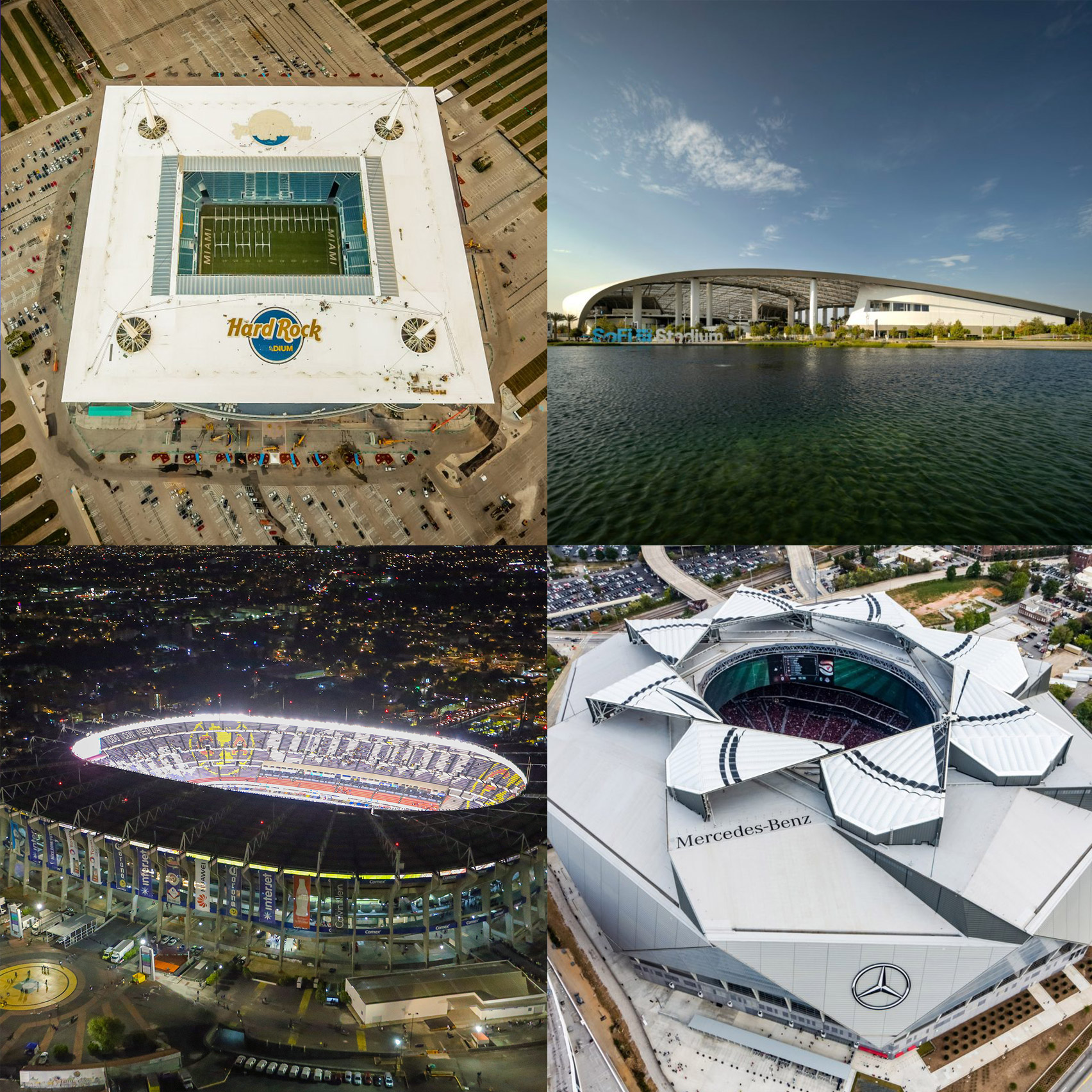
- MetLife Stadium, New York New Jersey
- AT and T Stadium, Dallas
- Mercedes Benz Stadium, Atlanta
- GEHA Field at Arrowhead Stadium, Kansas City
- NRG Stadium, Houston
- Levi’s Stadium, San Francisco Bay Area
- SoFi Stadium, Los Angeles
- Lincoln Financial Field, Philadelphia
- Lumen Field, Seattle
- Gillette Stadium, Boston Foxborough
- Hard Rock Stadium, Miami
MetLife Stadium will host the final match on July 19, 2026. AT and T Stadium is scheduled to host the highest number of matches due to its central location and capacity. Semi-final fixtures are assigned to Dallas and Atlanta based on infrastructure and operational scale.
These venues regularly host National Football League games and international football fixtures, ensuring readiness for high-attendance global events.

FIFA World Cup 2026 Stadiums in Mexico
Historic Venues Anchoring the Opening Phase
Mexico will host matches across three stadiums, reinforcing its historical association with FIFA World Cup tournaments.
The confirmed venues include:
- Estadio Azteca, Mexico City
- Estadio BBVA, Monterrey
- Estadio Akron, Guadalajara
Estadio Azteca will host the opening match of the FIFA World Cup 2026. This stadium previously hosted the finals in 1970 and 1986, making it the only venue to stage matches across three different World Cup editions.
Estadio BBVA and Estadio Akron provide modern infrastructure with FIFA-compliant pitch dimensions and seating arrangements. These venues will host group-stage matches and selected knockout fixtures.
Mexico’s stadium allocation supports early tournament scheduling while maintaining regional fan engagement.
FIFA World Cup 2026 Stadiums in Canada
First-Time Host Nation with Two Venues
Canada will host FIFA World Cup matches for the first time, with two stadiums confirmed for the tournament.
The venues include:
- BC Place, Vancouver
- BMO Field, Toronto
BC Place features a retractable roof and accommodates large-scale international events. BMO Field has undergone expansion to meet FIFA capacity requirements and technical specifications.
Both venues will host group-stage matches and contribute to the round of 32 fixtures. Stadium operations include upgraded media zones, training facilities, and fan engagement areas.
Canada’s inclusion completes the three-country hosting structure and expands the tournament’s geographic reach.
Stadium Allocation and Match Structure
Distribution Based on Capacity and Logistics
FIFA World Cup 2026 stadium allocation follows a structured model based on capacity tiers and operational readiness. Larger venues host knockout rounds, while mid-capacity stadiums manage group-stage fixtures.
Key allocations include:
- Opening Match: Estadio Azteca, Mexico City
- Final Match: MetLife Stadium, New York New Jersey
- Semi Finals: Dallas and Atlanta
- Quarter Finals: Multiple United States venues
The tournament includes 104 matches, requiring efficient rotation across venues. Teams will travel within defined regional clusters during the group stage to reduce transit time and maintain recovery schedules.
Stadium selection also reflects climate considerations, with indoor and climate-controlled venues assigned to key fixtures in warmer regions.
Frequently Asked Questions
How many stadiums will host FIFA World Cup 2026 matches?
A total of 16 stadiums will host matches in the FIFA World Cup 2026. The United States contributes 11 venues, Mexico contributes three venues, and Canada contributes two venues. This marks the largest number of stadiums used in a single World Cup edition. FIFA finalised the list after evaluating infrastructure, seating capacity, pitch quality, and broadcast readiness. Each venue meets international standards required for hosting global football competitions.
Which stadium will host the FIFA World Cup 2026 final?
MetLife Stadium in the New York New Jersey region will host the final match of the FIFA World Cup 2026. The venue was selected based on seating capacity, accessibility, and operational infrastructure. It regularly hosts large-scale sporting events and has experience managing international fixtures. The final is scheduled for July 19, 2026, concluding the expanded tournament format.
Where will the opening match of FIFA World Cup 2026 take place?
The opening match will take place at Estadio Azteca in Mexico City. This stadium holds historical significance as it previously hosted World Cup finals in 1970 and 1986. FIFA selected this venue to mark continuity in tournament heritage while launching the 2026 edition across three host nations.
How are matches distributed across the three host countries?
Match distribution prioritises the United States due to its higher number of approved stadiums. The United States will host the majority of matches, including all later knockout rounds. Mexico will host opening-stage matches, while Canada will host group-stage and early knockout fixtures. This distribution ensures logistical efficiency and balanced regional representation.
Why did FIFA select multiple countries for the 2026 World Cup?
FIFA approved a three-country hosting model to support the expanded 48-team format. The increased number of matches requires more stadiums and infrastructure. The United States, Mexico, and Canada collectively provide the necessary capacity, transport systems, and event management experience. This model also increases regional participation and audience reach across North America.
The Major Takeaway
The FIFA World Cup 2026 stadiums define the structural foundation of the tournament. Sixteen venues across three countries will host 104 matches under the expanded format. The United States leads with 11 stadiums, while Mexico and Canada contribute key venues for early-stage matches. Stadium selection reflects capacity standards, infrastructure readiness, and logistical efficiency. The allocation of matches across these venues ensures consistent tournament operations from the opening match in Mexico City to the final in New York New Jersey. The FIFA World Cup 2026 stadium network represents the largest and most geographically distributed setup in tournament history.